DIY note
The World’s Only Completely Black Swan
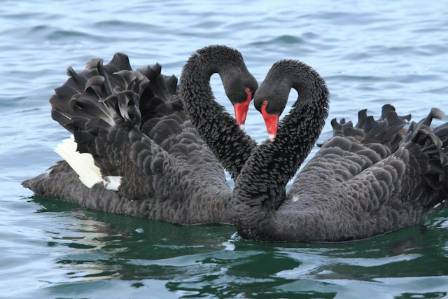
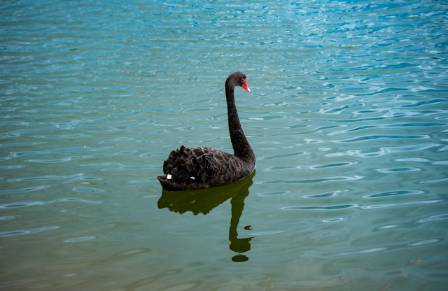
The Black Swan (Cygnus atratus) is the only swan species known for having a body that is almost completely black. As one of Australia's most familiar wetland birds, it is easily recognized by its dark plumage, graceful body shape, and striking reddish bill.
Serin Blake
Maker
Bench tip
Read the full note below and keep tools nearby.
Shelf
Hobby build
The Black Swan (Cygnus atratus) is the only swan species known for having a body that is almost completely black. As one of Australia's most familiar wetland birds, it is easily recognized by its dark plumage, graceful body shape, and striking reddish bill.
Appearance
Adult Black Swans are covered mainly in black feathers, while their broad white wing tips become especially noticeable during flight. Their bills are a rich orange-red shade that becomes paler toward the tip, with a thin white stripe positioned near the end.
Juvenile Black Swans have a noticeably different appearance from adults. Their plumage is primarily gray, with darker coloring on the wing tips. Females are usually somewhat smaller than males, although the two sexes have a similar overall appearance.
Habitat and Distribution
Black Swans occupy many different types of aquatic habitats, ranging from freshwater lakes and brackish wetlands to saltwater environments. They favor large, permanent wetlands with sufficient areas of open water and generally need at least 40 meters of unobstructed space to take off.
When they are not breeding, Black Swans can move considerable distances from one wetland to another. Their journeys are generally made at night, while daylight hours are spent resting together with other swans.
The species occurs across most of Australia, with the exception of Cape York Peninsula, and is particularly widespread in the southern parts of the country. Black Swans have also been introduced into other nations, including New Zealand, where established populations are now widespread. They are occasionally recorded as uncommon visitors in New Guinea.
Diet and Feeding
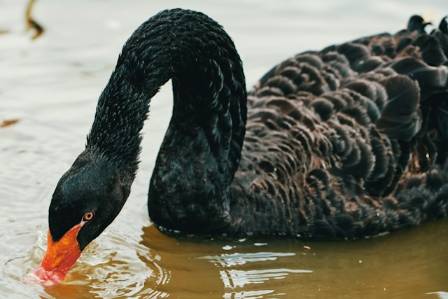
Black Swans are plant-eating birds whose primary foods include aquatic vegetation, algae, and weeds. Their unusually long necks enable them to reach plants growing as deep as one meter beneath the surface.
Although feeding in water is their main method of foraging, Black Swans also sometimes graze on land. Their heavy bodies and relatively short legs, however, make movement on land less efficient and comfortable than swimming.
Breeding and Life Cycle
Black Swans generally establish long-term pair bonds and may breed individually or in small colonies in shallow wetlands. Both the male and female participate in caring for and raising their offspring.
Their nests are loosely constructed from reeds, grasses, and other vegetation. Depending on the location, a nest may be built on a small island or positioned so that it floats over deeper water.
Newly hatched young, known as cygnets, are covered in soft gray down. They are capable of swimming and finding food on their own shortly after hatching, although they continue to depend on their parents for protection.
The breeding period varies by region, taking place from February through May in northern Australia and from June through September in southern Australia. A female Black Swan may produce as many as 10 eggs in a single clutch.
Nearby projects

· en
Style Relaxed Fit Jeans: Men’s Fashion Guide
Wren Gray
· en
Parrotfish: The Colorful Reef Fish Full of Surprises
Sophia Anderson
· en
The Cultural and Spiritual Significance of Trees
Versace

· en
Table Lamp Size Guide
Adam Rhodes
· en
15 Amazing Penguin Facts You Need to Know
Elena Rodriguez
· en
Bryggen Bergen: A Journey Through Norway’s Hanseatic Heritage
Eliana Vesper