DIY note
Science-Backed Benefits of Rock Climbing in 2025
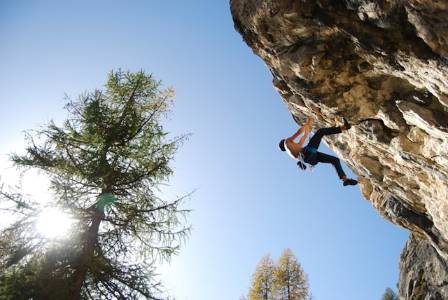
Rock climbing is a sport that’s as fun as it is rewarding. Whether you’re bouldering in a gym, tackling sport routes, or leading outdoors, climbing keeps you engaged and exhilarated. Beyond the thrill, it provides a surprising range of physical, mental, and social benefits—many of which are supported by scientific research.
Luke
Maker
Bench tip
Read the full note below and keep tools nearby.
Shelf
Hobby build
Rock climbing is a sport that’s as fun as it is rewarding. Whether you’re bouldering in a gym, tackling sport routes, or leading outdoors, climbing keeps you engaged and exhilarated. Beyond the thrill, it provides a surprising range of physical, mental, and social benefits—many of which are supported by scientific research.
Physical Perks
First, climbing is an excellent full-body workout. Studies show that it elevates heart rate similarly to running or cycling, making it a potent cardio exercise that burns calories, strengthens the heart, and supports overall fitness. Unlike some sports that focus on one area, climbing develops muscular endurance across the entire body. Regular climbers notice improvements in their posture and stamina, thanks to repeated movements like high steps, lunges, and core stabilization on overhung routes.
Climbing also builds impressive full-body strength. While your arms and back get a workout, your legs and core are equally engaged. Over time, you develop balanced muscular power, flexibility, and coordination, which makes every ascent both a physical challenge and a skillful dance.
Mental Boosts
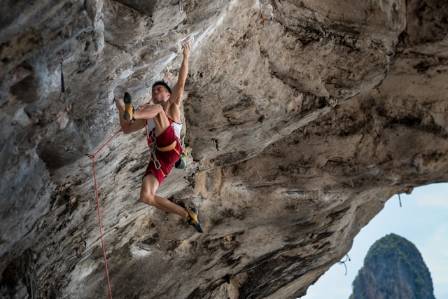
Climbing isn’t just a test of muscles—it’s a brain workout too. Problem-solving is a core component of the sport; figuring out sequences, choosing footholds, and planning movements enhance working memory and critical thinking. One study even found a two-hour climbing session increased working memory capacity by 50%.
Moreover, rock climbing has notable mental health benefits. Bouldering has been shown to help alleviate symptoms of depression when used alongside psychotherapy. The intense focus required on the wall also encourages mindfulness, immersing climbers fully in the moment and reducing stress. Facing heights and learning to manage falls further helps overcome fears, building confidence and resilience in everyday life.
Social and Emotional Gains
Climbing also fosters strong social connections. Most climbing experiences involve a partner—whether you’re belaying, spotting, or sharing beta. Communication, trust, and teamwork are essential, which naturally strengthens relationships and builds a sense of community. Research shows climbers often form lasting friendships and experience greater social well-being.
Additionally, climbing improves self-esteem. As you progress from tentative movements to fluid ascents, you gain a sense of accomplishment, boosting both confidence and body awareness. Balance, flexibility, and problem-solving skills all improve alongside this growing self-assurance.

Conclusion
Rock climbing is far more than a hobby—it’s a holistic workout for body, mind, and soul. From heart-pumping cardio and total-body strength to mental sharpness, stress relief, and meaningful social connections, climbing offers benefits that few other sports can match. Whether you’re scaling an indoor wall for fun or venturing onto rugged cliffs, each climb teaches you patience, focus, and resilience—all while having a blast. So grab your chalk bag, trust your belayer, and discover why climbing is as rewarding as it is thrilling in 2025.
Nearby projects

· en
Submersibles for Deep Sea Exploration
Isella Corbin

· en
Best classic cars for a small garage
Leo James

· en
Guinea Pig Care for Pet Owners
Iris Dalton

· en
Eight Secrets of the Taj Mahal
Maelin Frost

· en
Take in the View From 6 of the World’s Tallest Sea Cliffs
Penelope Sanchez

· en
The Comprehensive Manual for Selecting Women’s Overalls
Noah Harrison Blake