DIY note
Understanding the Amazon Tapir: The Forest’s Subtle Powerhouse
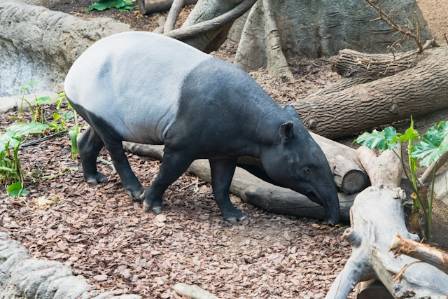
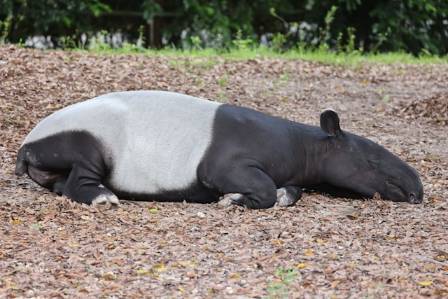
Every year on April 27, the world recognizes World Tapir Day. This occasion serves to highlight one of the most distinctive yet frequently overlooked inhabitants of the Amazon basin: the tapir. While their physical appearance often leads people to compare them to pigs or anteaters, tapirs are actually more closely related to rhinoceroses and horses. These quiet, independent mammals are vital to the ecological balance of the rainforest, even as they remain shrouded in mystery.
Edwin Tobias Montague
Maker
Bench tip
Read the full note below and keep tools nearby.
Shelf
Hobby build
Every year on April 27, the world recognizes World Tapir Day. This occasion serves to highlight one of the most distinctive yet frequently overlooked inhabitants of the Amazon basin: the tapir. While their physical appearance often leads people to compare them to pigs or anteaters, tapirs are actually more closely related to rhinoceroses and horses. These quiet, independent mammals are vital to the ecological balance of the rainforest, even as they remain shrouded in mystery.
Biological Profile of a Prehistoric Survivor
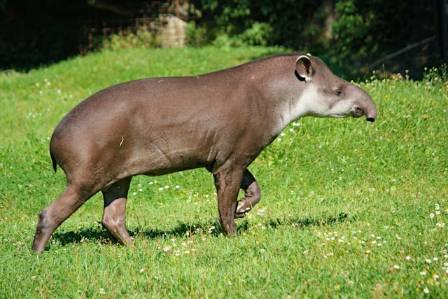
Tapirs are substantial herbivores characterized by a flexible, prehensile snout that functions much like a shortened trunk. Among the four existing species globally, the Amazon tapir (Tapirus terrestris) holds the title of South America’s largest native land mammal. Fully grown adults can reach lengths of over six feet and weigh as much as 550 pounds (250 kg).
Despite their bulk, tapirs are remarkably stealthy. They are primarily nocturnal foragers, seeking out a diet of fruit, foliage, and water plants. They are also highly proficient swimmers, frequently using rivers to lower their body temperature or to evade apex predators such as pumas and jaguars.
The Vital Role of Forest Gardeners
The Amazon tapir is often celebrated as the "gardener of the forest." This nickname stems from their indispensable role in seed dispersal. As tapirs travel across vast distances consuming various fruits, they ingest seeds that are later deposited throughout the jungle via their waste. This process is fundamental to forest regeneration and the maintenance of plant diversity.
In fact, certain tree species rely almost exclusively on tapirs to transport their heavy seeds over long distances. In the absence of these animals, many plant species—and the diverse wildlife that depends on them—would face a precarious future.
Current Environmental Pressures
While tapirs have existed on Earth for tens of millions of years, they currently face significant modern challenges. The International Union for Conservation of Nature (IUCN) classifies the Amazon tapir as a Vulnerable species. Their survival is primarily threatened by illegal hunting, habitat fragmentation, and widespread deforestation.
As the rainforest is cleared for logging, road construction, and industrial agriculture, tapirs are pushed into isolated pockets of forest. This separation not only restricts their access to food and potential mates but also increases the likelihood of fatal encounters with vehicles or hunters.
Strategies for Conservation
Protecting the tapir’s environment is a core component of broader efforts to safeguard the Amazon’s biodiversity. Tapirs serve as an indicator species; they flourish in large, undisturbed ecosystems—the exact types of landscapes managed through Indigenous stewardship. By advocating for Indigenous land rights and mapping sacred natural territories, conservationists help ensure that the tapir continues to have a home in a changing world.
Intriguing Facts About Tapirs
-
Natural Camouflage: Newborn tapirs are born with a striking coat of spots and stripes. This pattern helps them blend into the dappled light of the forest floor, eventually fading as they mature.
-
Ancient Heritage: Tapirs belong to a primitive lineage that has remained relatively unchanged for over 20 million years, making them true prehistoric survivors.
-
Aquatic Tools: A tapir's elongated nose is highly functional; it serves as a built-in snorkel, allowing the animal to breathe while submerged in water.
-
Solitary Lifestyle: Outside of mating or the period spent raising a calf, tapirs are almost entirely solitary creatures.
Nearby projects

· en
Golden Bridge, Vietnam: Complete Travel Guide
Benjamin Scott

· en
The Comprehensive Manual for Selecting Women’s Overalls
Noah Harrison Blake

· en
Understanding Travel Anxiety: Navigating the Uncharted Territories of Anxiety
Thaddeus Orion

· en
The 6 Most Famous Oil Paintings
Pearl

· en
10 Surprising Facts About Watermelon
Arthur
· en
Ostriches: Learn About This Giant Bird
Brian Wilson