DIY note
The Best Vintage Sports Cars You Need to See Before You Buy
Do you enjoy the character and personality of older automobiles? Classic sports cars have a kind of magic to them—something modern machines often can’t quite replicate. They carry history, emotion, and design flair that make them feel alive. If you’ve ever thought about owning one, this guide walks through what makes them so special, which models stand out, and what to keep in mind before buying.
Amelia Grant
Maker
Bench tip
Read the full note below and keep tools nearby.
Shelf
Hobby build
Do you enjoy the character and personality of older automobiles? Classic sports cars have a kind of magic to them—something modern machines often can’t quite replicate. They carry history, emotion, and design flair that make them feel alive. If you’ve ever thought about owning one, this guide walks through what makes them so special, which models stand out, and what to keep in mind before buying.
Why Vintage Sports Cars Are So Appealing
Vintage performance cars attract attention for more than just transportation—they feel like rolling pieces of art.
Distinctive design and craftsmanship
Unlike today’s often streamlined and uniform designs, older sports cars were shaped with individuality. Many were assembled with more hands-on craftsmanship, giving them unique proportions, expressive curves, and interior materials that feel rich and authentic. They were built not just to function, but to be admired.
A tangible link to automotive history
Each classic car reflects the era it came from. Whether it’s the culture of the 1950s, the boldness of the 1970s, or the innovation of the 1990s, driving one feels like stepping into a time capsule. It’s a way to experience history in motion rather than just reading about it.
A more raw driving sensation
Modern cars often rely on electronic systems to smooth out the experience. Vintage sports cars are more direct and mechanical. Steering feedback is stronger, engine sound is more present, and the driving feel is less filtered. Many enthusiasts love this “pure” connection between driver and machine.
Scarcity and long-term appeal
Because fewer of these cars remain today, they naturally become more exclusive. Limited supply, combined with strong demand for iconic models, often gives them collectible value. For some owners, they are both passion projects and potential assets.
Iconic Vintage Sports Cars Worth Knowing
There are countless classics, but a few models consistently stand out in automotive history.
Jaguar E-Type
Often praised for its elegance, this British icon is famous for its long hood and flowing silhouette. It’s widely regarded as one of the most visually stunning sports cars ever produced.
Chevrolet Corvette
A cornerstone of American performance history, especially the 1960s Sting Ray versions. Known for bold styling and strong V8 power, it remains a symbol of muscle and freedom.
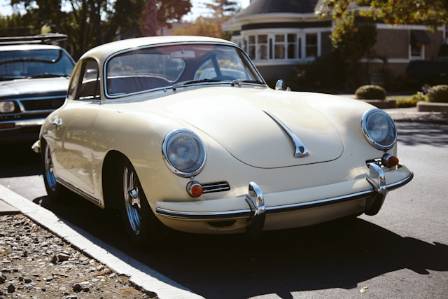
Porsche 911 (early generations)
Recognized instantly by its silhouette, the 911 blends usability with performance. Even older versions are still enjoyable to drive and remain highly respected among enthusiasts.
Ford Mustang (classic era)
An icon of American car culture, especially performance-focused variants like the Shelby GT500. It represents power, attitude, and accessibility, with strong community support and parts availability.
Triumph TR6
A simple yet engaging British roadster. It emphasizes lightness and driving enjoyment over complexity, making it a favorite for those who enjoy a straightforward classic experience.
Datsun 240Z
A Japanese sports car that gained popularity for combining style, reliability, and affordability. It helped redefine expectations for accessible performance cars.
Things to Think About Before Buying
Owning a vintage performance car involves more than choosing a favorite model.
Total cost beyond purchase price
The sticker price is only part of the equation. Restoration work, mechanical repairs, and cosmetic refurbishment can add up quickly. Maintenance can also be specialized, requiring experienced mechanics and sometimes expensive parts. Insurance for classic cars is another separate consideration.
Condition matters most
The state of the vehicle is critical.
Rust is one of the biggest issues, especially in structural areas, and can be costly to fix.
Mechanical health is equally important—engine performance, leaks, braking behavior, and steering feel should all be checked carefully.
Documentation also matters; service history and ownership records help confirm authenticity and condition.
Know the model deeply before buying
Every classic car has its quirks. Some are known for weak points or expensive repairs. Researching forums, clubs, and owner communities can help you understand what you’re getting into and avoid surprises.
Where to Look for Classic Sports Cars
Finding the right car often takes patience and exploration.
Specialist classic car dealers
Dealerships that focus on vintage vehicles often provide curated selections and expert knowledge, making the process easier for first-time buyers.
Online marketplaces and auctions
Platforms like Classic.com or Hemmings bring together listings from across regions, offering a wide range of options from private sellers and dealers.
Car events and exhibitions
Classic car shows are great places to see vehicles in person, talk directly with owners, and sometimes even discover cars available for sale.
What the Buying Journey Feels Like
Buying a classic sports car is rarely instant—it’s more of a journey than a transaction.
Patience is essential, because the right example may take time to appear. A test drive is always important, even if you’re not an expert, because the feel of the car often reveals more than photos ever could. Having a knowledgeable mechanic inspect the vehicle before purchase is strongly recommended.
Most importantly, owning a vintage sports car is about passion. It’s not just about driving—it’s about maintaining, learning, and sometimes restoring. It connects you with a global community of enthusiasts who share the same appreciation.
Final Thoughts
A vintage sports car is more than a vehicle—it’s history, design, and emotion combined. With careful research, realistic budgeting, and a clear sense of what you enjoy, you can find a classic that fits both your lifestyle and your passion. The real reward isn’t just ownership—it’s the experience every time you turn the key.
Nearby projects

· en
Shenzhen's Ping An Finance Center: World's 4th Tallest Building
Lucan Prescott

· en
Science-Backed Benefits of Rock Climbing in 2025
Luke

· en
Painting a Dolphin with Primary Colors
Elijah Carter

· en
The Best Rangefinder Binoculars
Connor Bailey

· en
荷蘭風車之謎背後的7個因素
陳思潔

· en
Eight Secrets of the Taj Mahal
Maelin Frost