
DIY note
The Anatomy of a Sports Car: Core Principles of High-Performance Engineering
A true sports car is defined by more than just a striking silhouette or a vibrant coat of paint. To the automotive enthusiast, these vehicles represent the absolute zenith of the driving experience. Distinguishing a sports car from a standard passenger vehicle requires an examination of several key engineering pillars, ranging from raw mechanical power to the sophisticated science of aerodynamics.
Scarlett Jane Whitaker
Maker
Bench tip
Read the full note below and keep tools nearby.
Shelf
Hobby build
A true sports car is defined by more than just a striking silhouette or a vibrant coat of paint. To the automotive enthusiast, these vehicles represent the absolute zenith of the driving experience. Distinguishing a sports car from a standard passenger vehicle requires an examination of several key engineering pillars, ranging from raw mechanical power to the sophisticated science of aerodynamics.
The Synergy of Power and Handling
At the heart of any sports car is a commitment to exhilarating speed. The capability to accelerate from a standstill to 100 km/h in a matter of seconds is a foundational trait, providing a responsive burst of power that standard vehicles simply cannot match. This isn't merely about technical data; it’s about the visceral physical sensation of acceleration and the thrill of reaching high top speeds that most cars are never designed to achieve.
However, a sports car must be as capable in the corners as it is on a straightaway. True performance is defined by precision handling, which is achieved through a low center of gravity, advanced suspension systems, and highly communicative steering. These features allow the car to maintain immense grip and stability through sharp turns, offering an agile and controlled experience. Specialized performance divisions often use these traits to transform every curve in the road into an opportunity to showcase a vehicle's mechanical prowess.
Functional Aesthetics and Aerodynamic Design
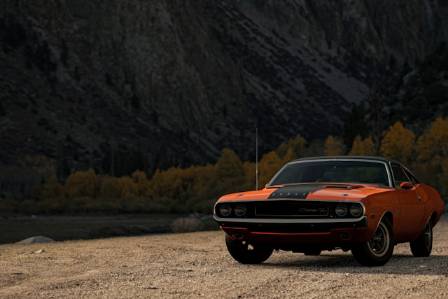
The visual identity of a sports car is rarely just for show; it is a direct result of functional engineering. A sleek, low-profile body is meticulously crafted to reduce drag, allowing the vehicle to slice through the air with minimal resistance. To keep weight to a minimum while maintaining structural strength, engineers frequently utilize exotic materials like carbon fiber. These choices ensure the car remains nimble and responsive without the burden of unnecessary mass.
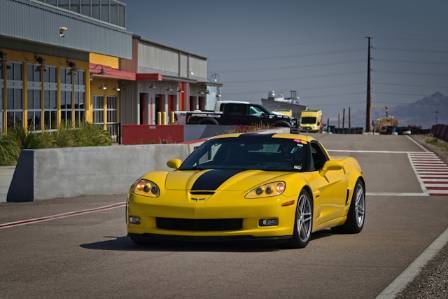
Design elements also draw heavily from a rich racing heritage. Features such as integrated spoilers, diffusers, and large air intakes serve dual purposes: they manage thermal loads and increase downforce for better stability, while also creating a bold, aggressive appearance. Ultimately, owning such a machine is a statement of intent, characterized by a unique design language that stands out in any environment.
The Intersection of Practicality and Passion
While the primary focus of a sports car is high-octane performance, modern iterations often strive to remain practical enough for the daily commute. This involves a delicate balance between raw power and essential utility, such as adequate storage space and comfortable seating. Many of today’s leading models successfully bridge this gap, offering a civilized driving experience for routine trips while retaining the ability to dominate a track on the weekend.
Ultimately, the decision to drive a sports car is rooted in passion rather than pure utility. It is about the inherent joy of the drive and the pride of owning a machine that evokes strong emotional responses. These vehicles foster a sense of community among like-minded enthusiasts and turn every journey into a memorable event defined by speed, control, and precision.
Nearby projects

· en
Best Whale Paintings Inspired by the Ocean
Vivienne Hart

· en
Amanitas: From Deadly to Delicious
Evander Lane

· en
The Comprehensive Manual for Selecting Women’s Overalls
Noah Harrison Blake

· en
Pastoral chic: dressing for the summer you want
Florence Waverly
· en
The Groundwork: Mastering Rug Sizing Beneath Your Coffee Table
Oliver Reed

· en
Grey Heron
Mia Thomas