DIY note
How to Caer for China Roses
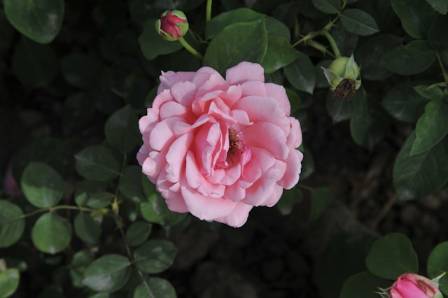
China roses, also called Bengal roses, bring an elegant touch to the garden with their graceful flowers and distinctive colors. Originally associated with southwestern China, these beautiful roses have a long history of cultivation and have become favorites among gardeners around the world. Their blooms, often appearing in shades of red and crimson, add plenty of character to outdoor spaces.
Caleb Rhodes
Maker
Bench tip
Read the full note below and keep tools nearby.
Shelf
Hobby build
China roses, also called Bengal roses, bring an elegant touch to the garden with their graceful flowers and distinctive colors. Originally associated with southwestern China, these beautiful roses have a long history of cultivation and have become favorites among gardeners around the world. Their blooms, often appearing in shades of red and crimson, add plenty of character to outdoor spaces.
Although China roses have a somewhat delicate appearance, they can grow successfully when their basic requirements are met. Proper sunlight, watering, soil, feeding, pruning, and protection from pests will help them remain healthy and productive.
Light
China roses do not perform well in shady locations and are particularly sensitive to insufficient sunlight. Choose a position that receives plenty of sunshine, with around four hours of direct light each day during the growing period from spring through fall. Additional sunlight is generally beneficial as long as the plant is protected from excessive heat.
Watering
China roses need regular moisture throughout spring and summer, but frequent light watering should be avoided. Instead, give the plant a thorough soaking approximately once a week. Aim to moisten the soil to a depth of around 15 to 20 inches, and direct the water toward the base of the plant rather than wetting the foliage.
Green Thumb Tip
Early morning is an excellent time to water roses. Any moisture that reaches the leaves will have plenty of time to evaporate during the day. Leaves that remain damp and cool overnight are more likely to develop fungal problems and diseases.
Temperature
When growing China roses, select a sunny but sheltered position whenever possible. These roses can be damaged by temperatures below 32°F, so plants may need to be moved to a protected location during winter or covered with horticultural fleece or straw.
Excessive heat can also cause problems. If the leaves or flowers become brown, dry, or brittle, consider moving the rose to a location with greater protection. A rose that is struggling to grow may also benefit from being relocated to an area with more sunlight.
Humidity
China roses are valued for their attractive, generously sized flowers, but high humidity and persistent moisture can sometimes cause the blooms to “ball.” This occurs when water causes the petals to cling together, preventing the flower bud from opening normally. Although this does not usually damage the plant, individual blooms that develop this problem are best removed.
Soil
Good soil preparation is important when planting roses. Begin by digging a hole approximately twice the width of the container or bare-root system. Fill the planting area with high-quality compost to give the rose a nutrient-rich foundation.
Adding mycorrhizal fungi around the roots or into the planting hole can also be beneficial. These helpful fungi can improve the plant's ability to take up water and support stronger establishment.
Green Thumb Tip
There is an old gardening belief that roses should not be planted in a location where another rose has previously grown. This idea has some basis because old rose beds can become depleted of nutrients and may make it more difficult for a replacement rose to establish successfully.
Fortunately, the problem can be addressed. Dig a fresh planting hole and replace or supplement the existing soil with new soil or compost. This provides the new rose with a better supply of nutrients and gives it a healthier start.
Fertilizer
For sustained growth, a slow-release granular rose fertilizer is generally preferable to relying entirely on liquid fertilizer. Granular products release nutrients gradually and can provide more consistent nourishment over a longer period.
Think of slow-release fertilizer as a nutritious bowl of oats compared with the quick boost supplied by a chocolate bar. Both have their uses, but the slower source provides more lasting nourishment, which is also beneficial for your rose.
Repeat-flowering China roses can be fed once in March and again in June after their first major flush of flowers. Roses that bloom only once generally require a single feeding in March. Apply approximately one handful of rose fertilizer around the base of the plant and follow the product directions.
Liquid fertilizer can also be applied approximately every two weeks throughout the flowering period if you want to encourage additional blooms.
Repotting
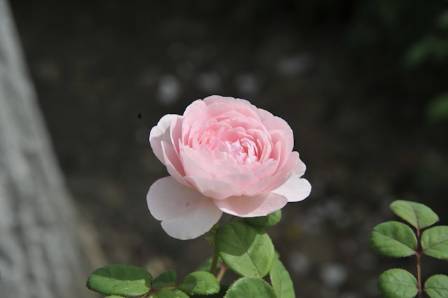
China roses generally perform best when planted directly in the ground, although they can also grow successfully in containers with additional attention. Because their roots need adequate room to develop, choose a container that is approximately 18 to 21 inches both deep and wide.
Use a combination of multipurpose and repotting compost, or choose a specialist rose-growing compost. Container-grown roses require closer monitoring than roses planted in the ground, particularly when it comes to moisture.
Do not allow the container to become completely dry, and refresh the growing medium every two to three years. Repotting is best carried out during the dormant period, usually in early spring or late fall, when the rose is either resting or preparing to enter dormancy. Working during this period reduces stress on the plant.
Pruning
China roses generally require only modest pruning. Their natural growth can appear somewhat sparse and twiggy, and this is not necessarily a sign that something is wrong. To tidy the plant, shorten each stem by roughly one inch and remove any branches that are dead, diseased, or damaged.
It is also useful to remove much of the remaining foliage. This can reduce the possibility of hidden pests or diseases surviving into the next growing season.
Pruning is normally carried out from late winter into early spring, making January through March a suitable period in many growing areas.
Green Thumb Tip
China roses, which are also known as Bengal roses, were introduced in the late eighteenth century and have since become popular with gardeners throughout the world. Their striking red and crimson flowers are particularly attractive. Their somewhat bare appearance between periods of growth is natural, so there is no need to worry about a sparse-looking plant.
Propagation
Propagating China roses from cuttings can have mixed results, but it is an enjoyable method that is worth attempting. Begin by preparing a container filled with a mixture containing approximately 75 percent potting compost and 25 percent perlite or vermiculite.
Select a healthy stem approximately 5 to 10 inches long with three to five leaves. Using a clean cutting tool, make the cut at roughly a 45-degree angle. If the stem contains additional leaves, remove the lower ones while leaving three to five leaves toward the top. Remove all flowers and rose hips from the cutting.
Make three small upward cuts, each approximately one inch long, at the base of the stem. Dip the lower portion into rooting hormone if desired. This step is optional, but it can improve the likelihood of successful rooting.
Place the cutting into the prepared growing medium and water it thoroughly. Cover the container with a transparent plastic bag to create a miniature greenhouse environment. Keep the cutting somewhere warm and sheltered and make sure it does not dry out.
Once roots have developed and the danger of frost has passed, the young rose can gradually be moved outdoors and planted in the garden.
Pests and Diseases
China roses can encounter several common pests and fungal diseases. Recognizing the symptoms early makes it easier to deal with problems before they become severe.
Black Spot
Black spot is a widespread fungal disease that can spread through the air from one garden to another and is especially common in humid conditions. As its name suggests, it produces dark spots or patches on the foliage, which may appear dark purple or yellow as the problem develops.
At the first indication of black spot, remove the affected leaves and consider treating the plant with neem oil.
Rust
Rust is another fungal problem that can spread between plants and thrives in damp, humid conditions. It typically appears as small orange, powdery spots or circles on the leaves, which may become darker as the disease progresses.
Because severe rust can seriously weaken or even kill a plant, remove affected foliage as soon as possible and treat the rose with neem oil.
Powdery Mildew
Powdery mildew is a fungal problem that appears as a pale or white coating across the leaves. It is generally associated with inadequate air movement or problems with water availability. Young roses can be particularly susceptible because their developing root systems may not yet be capable of supplying enough moisture.
Remove infected foliage, make sure the rose receives adequate water, and improve air circulation around the plant.
Aphids, Thrips, and Spider Mites
Aphids, sometimes called greenfly, are common rose pests, particularly following mild winters. These tiny green insects feed on the nutrient-rich sap found in developing buds. Newly formed buds that begin to wilt or appear unusually dry may indicate an aphid infestation.
Thrips, sometimes referred to as thunder bugs, can become troublesome during summer. They are small, dark insects that feed on young rose buds. Distorted flowers or buds with darkened edges can be signs of thrip activity.
Spider mites can also damage China roses. These pests are extremely small and can be difficult to see directly. Look instead for fine webbing and leaves that develop unusual golden or yellow coloration. Spider mites feed on leaves and buds and can cause significant damage when populations become large.
For a more natural pest-control approach, neem oil can help interfere with the life cycle of many unwanted insects. Beneficial predators such as ladybugs and lacewings can also be encouraged in the garden, as they feed on aphids, mites, and other troublesome pests while helping maintain a healthier garden ecosystem.
Toxicity
China roses are considered non-toxic. Rose hips can also be used in a variety of recipes and products, including rosehip oil, jams, cakes, and perfumes. When harvesting flowers or hips, however, take care around the plant's thorns to avoid scratches or injuries.

Nearby projects

· en
Dromedary Camel: The Desert Survivor With One Hump
Charlotte Morgan

· en
The Timeless Charm of Mountain Houses with Natural Stone
Cora Winslow

· en
Embrace the Outdoors: 5 Refreshing Activities to Step Outside
Dylan

· en
A Five-Step Methodology for Painting Animals and Beyond
Isabella Morgan Pierce

· en
Eight Secrets of the Taj Mahal
Maelin Frost

· en
Ten Fascinating Truths About Bottlenose Dolphins
Iris Juliette Lancaster